A short history of space exploration
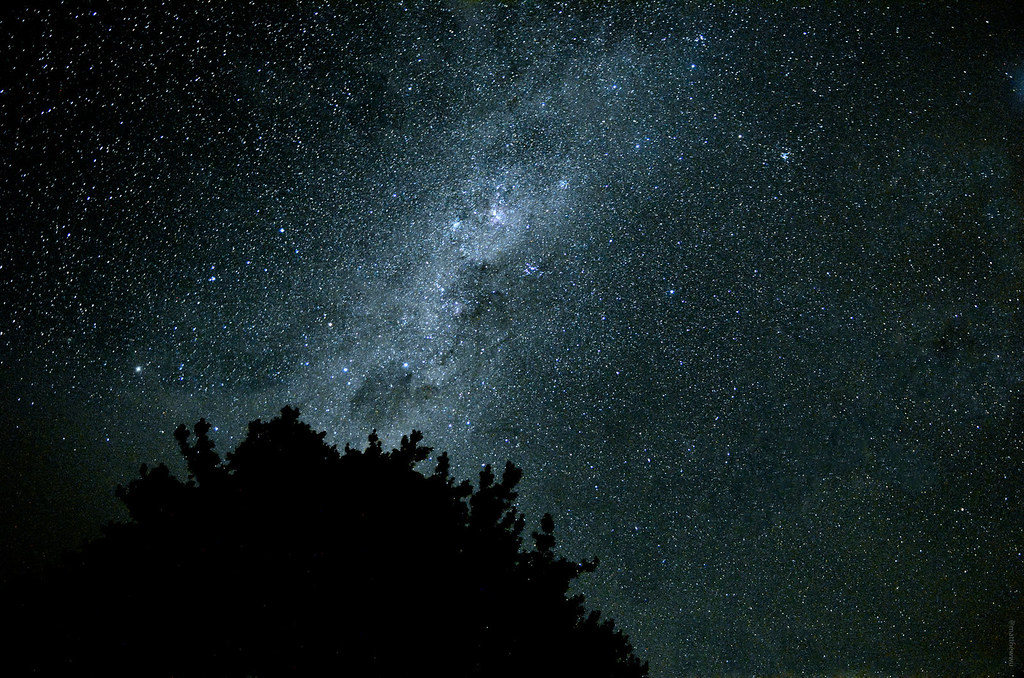
Long ago, people like the ancient Egyptians and Greeks looked up at the night sky, filled with stars.
Around the year 300 BC, Aristarcus of Samus, a Greek astronomer and mathematician, was the first to place the Sun at the center of the known universe with the Earth revolving around it but nobody believed him and his idea was forgotten.
In 1543, Copernicus published a book that explained the same idea but the Cristian church did not like it.
.png "Galileo Sketches of the Moon")
In 1609, Galileo Galilei, in Italy, pointed a telescope to the sky and discovered the 4 larger moons of Jupiter (Io, Europe, Ganymede and Callisto). He was also the first person to see craters, mountains and valleys on the Moon.
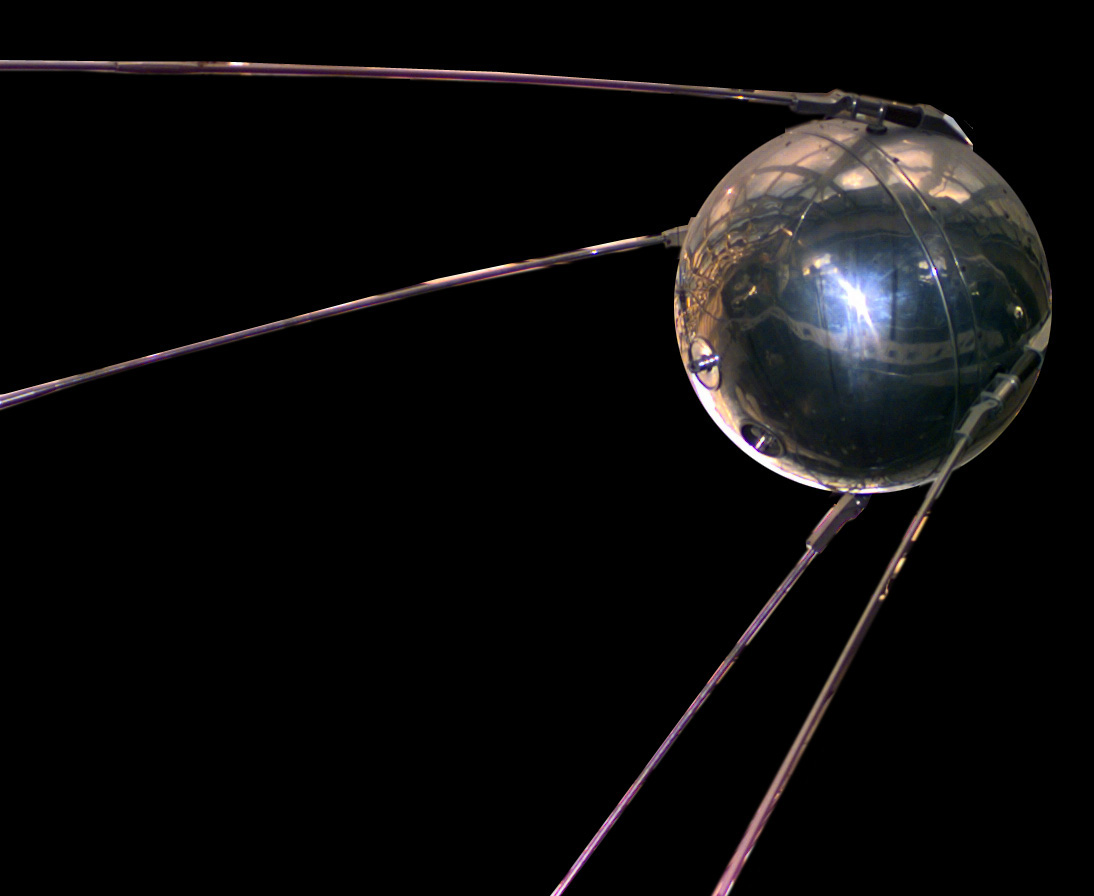
In the mid-20th century, the Space Age began. The Soviet Union launched Sputnik 1, the first artificial satellite to orbit Earth. This marked the start of a new era of space exploration. The United States followed with its Apollo missions, which sent astronauts to the Moon.
Today, the International Space Station (ISS) orbits Earth. Astronauts from different countries live and work there, conducting scientific experiments and exploring the possibilities of space travel.
As we continue to explore the cosmos, we’re sending robots to Mars, searching for signs of life on other planets, and planning future missions to the Moon and beyond. The future of space exploration is full of exciting possibilities!
The Voyager Program
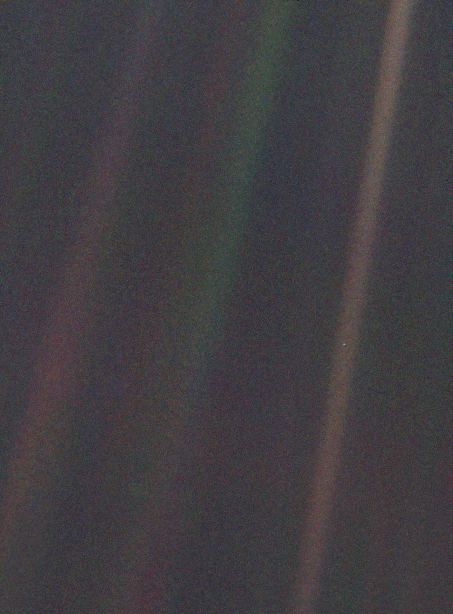
Voyager 1 and 2 are two very tiny spaceships, smaller than a school bus, traveling very far away from Earth. These spaceships are called Voyager1 and Voyager 2. They were launched many years ago to explore our solar system and beyond. They have taken pictures of giant planets like Jupiter and Saturn, and even sent back a famous picture of Earth, a tiny blue dot, showing how small our planet is in the vast universe. The Voyagers are still traveling, carrying a golden record with sounds and images of Earth. It's like a time capsule from our planet, floating through space.
Can you see the Pale Blue Dot in the photo?